
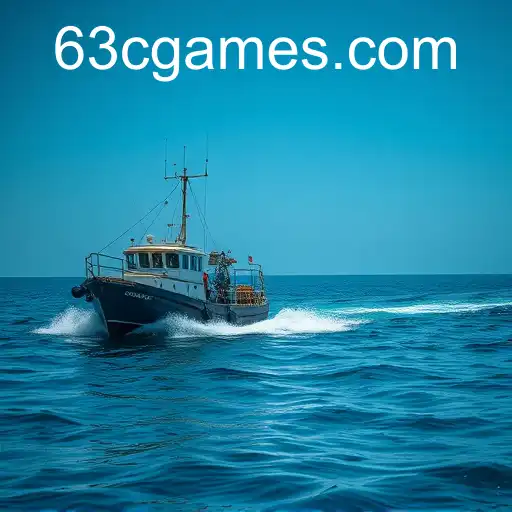
63C | Exploring the World of Pesca: A Deep Dive into Sustainable Practices and the Role of 63C
Discover the intricacies of the fishing industry and the significance of sustainable practices with an in-depth look at Pesca, particularly the innovative 63C initiative. de 63C
Exploring the World of Pesca: A Deep Dive into Sustainable Practices and the Role of 63C
Pesca, the Italian and Spanish term for fishing, encompasses a diverse range of practices and traditions that have been fundamental to human culture and economies for millennia. With the evolution of technologies and growing demand for seafood, the fishing industry has faced both opportunities and challenges. At the forefront of these challenges is the need for sustainable fishing practices, a concept that has given rise to initiatives like 63C.
The Importance of Pesca in Global Economies
Fishing is a vital industry that provides food, employment, and cultural significance across the globe. As an essential part of coastal communities, it supports livelihoods and sustains millions of people. The economic impact of the fishing industry cannot be overstated, contributing significantly to the GDP of many nations, particularly in regions such as Southeast Asia, South America, and parts of Africa.
However, the global demand for seafood has intensified pressures on fish stocks, leading to overfishing and the depletion of marine resources. This critical situation calls for urgent solutions and the adaptation of best practices that align with the principles of sustainability.
Understanding Sustainable Fishing Practices
Sustainable fishing practices are designed to maintain fish populations at healthy levels, ensuring that marine ecosystems continue to thrive. These practices focus on utilizing fishing methods that minimize environmental impact, preserving the biodiversity of the oceans, and ensuring that fish stocks remain abundant for future generations.5526
Implementing sustainable practices involves stringent regulations and monitoring, limiting catch sizes, protecting habitats, and avoiding bycatch—incidental capture of non-target species. The goal is to make fishing environmentally, economically, and socially sustainable, balancing the needs of present and future generations.
The Role of 63C in Promoting Sustainability
The innovative initiative known as 63C has emerged as a key player in the effort to promote sustainable fishing. While the term '63C' might sound like a code or abbreviation, it represents a comprehensive strategy aimed at transforming the fishing industry. At its core, 63C explores five main areas:ZZWIN
- Research and Development: Conducting thorough research to understand marine ecosystems and fish behavior is crucial. 63C invests in scientific studies to gather data that informs sustainable fishing policies and practices.
- Technological Innovation: The initiative encourages the adoption of advanced fishing technologies that reduce environmental impact. From smart nets to satellite tracking systems, these technologies help in monitoring fish stocks and maximizing the efficiency of fishing activities.
- Community Engagement: 63C emphasizes the importance of involving local communities in the decision-making process. Engaging stakeholders ensures that the needs and knowledge of those directly affected by fishing activities are considered, fostering a collaborative approach to sustainability.
- Policy and Advocacy: Lobbying for the establishment and enforcement of sustainable fishing regulations is a critical aspect. 63C works with governments and international bodies to advocate for policies that protect marine resources.
- Education and Awareness: Raising awareness about the importance of sustainable fishing practices is essential. 63C provides educational programs and resources to inform the public and fishermen about the long-term benefits of sustainability.
Challenges and Opportunities in Implementing 63C
Despite its potential, the implementation of the 63C initiative faces numerous challenges. Foremost among these is resistance from traditional fishing industries that may perceive sustainability measures as a threat to their livelihoods. Convincing them of the long-term benefits of sustainable practices requires a careful balance of incentives and education.
Another challenge is the need for substantial investment in technology and infrastructure. Transitioning to sustainable methods can incur significant costs, which not all communities or companies can bear. Addressing these financial barriers is crucial for broader adoption of the initiative.
However, opportunities abound as well. Innovations in technology provide new ways to exploit marine resources without depleting them. With the global consumer shift towards environmentally conscious purchasing, there is a growing market for sustainably sourced seafood, presenting economic incentives for the fishing industry to adopt sustainable practices.
The Future of Pesca with 63C
The 63C initiative holds promise for transforming the pesca industry into a model of sustainability. By integrating technological advancements, engaging communities, and advocating for policy changes, it aims to create a resilient fishing industry that supports both the economy and the environment.
In the long run, initiatives like 63C could redefine how the world approaches fishing, shifting towards methods that respect ecological balance while meeting human needs. This is not merely a vision for the future but a necessary path for the survival of marine ecosystems and the fishing communities that depend on them.9PO
Ultimately, as the pesca industry evolves, its success will depend on global collaboration and the willingness of all stakeholders to embrace sustainable practices. The journey towards sustainability is complex, but with initiatives like 63C leading the way, there is hope for a thriving ocean and prosperous fishing communities worldwide.f88pg
777ii.com